

Travel Guide Easter Island
English-Speaking Tour Guide on Easter Island (Rapa Nui)
Easter Island, known as Rapa Nui in the Polynesian language, is one of the most fascinating and mysterious destinations on Earth.
Located in the middle of the Pacific Ocean, more than 3,500 kilometers from mainland Chile, this remote island captivates visitors with its monumental Moai statues, unique Polynesian culture, ancient archaeological sites, and spectacular volcanic landscapes.
As an experienced German-speaking Tour Guide on Easter Island, I accompany visitors through the history, archaeology, and culture of one of the most extraordinary islands in the world.
A journey to Easter Island is much more than a visit to one of the most isolated inhabited places on Earth. It is an exploration of a fascinating civilization filled with legends, archaeological mysteries, and impressive achievements of ancient Polynesian society.
With an experienced local guide, visitors discover the stories behind the famous stone statues and archaeological sites that have made Rapa Nui world-famous.

Where is Easter Island?
Easter Island is located in the southeastern Pacific Ocean and politically belongs to Chile.
Because of its extreme isolation, it is considered one of the most remote permanently inhabited islands in the world.
The island was discovered by the Dutch explorer Jacob Roggeveen on Easter Sunday in 1722, which gave the island its European name.
However, the indigenous inhabitants have always called their homeland Rapa Nui.
Today, Easter Island is a UNESCO World Heritage Site and attracts travelers from around the world who want to discover the mysterious Moai statues and the unique cultural heritage of Polynesia.
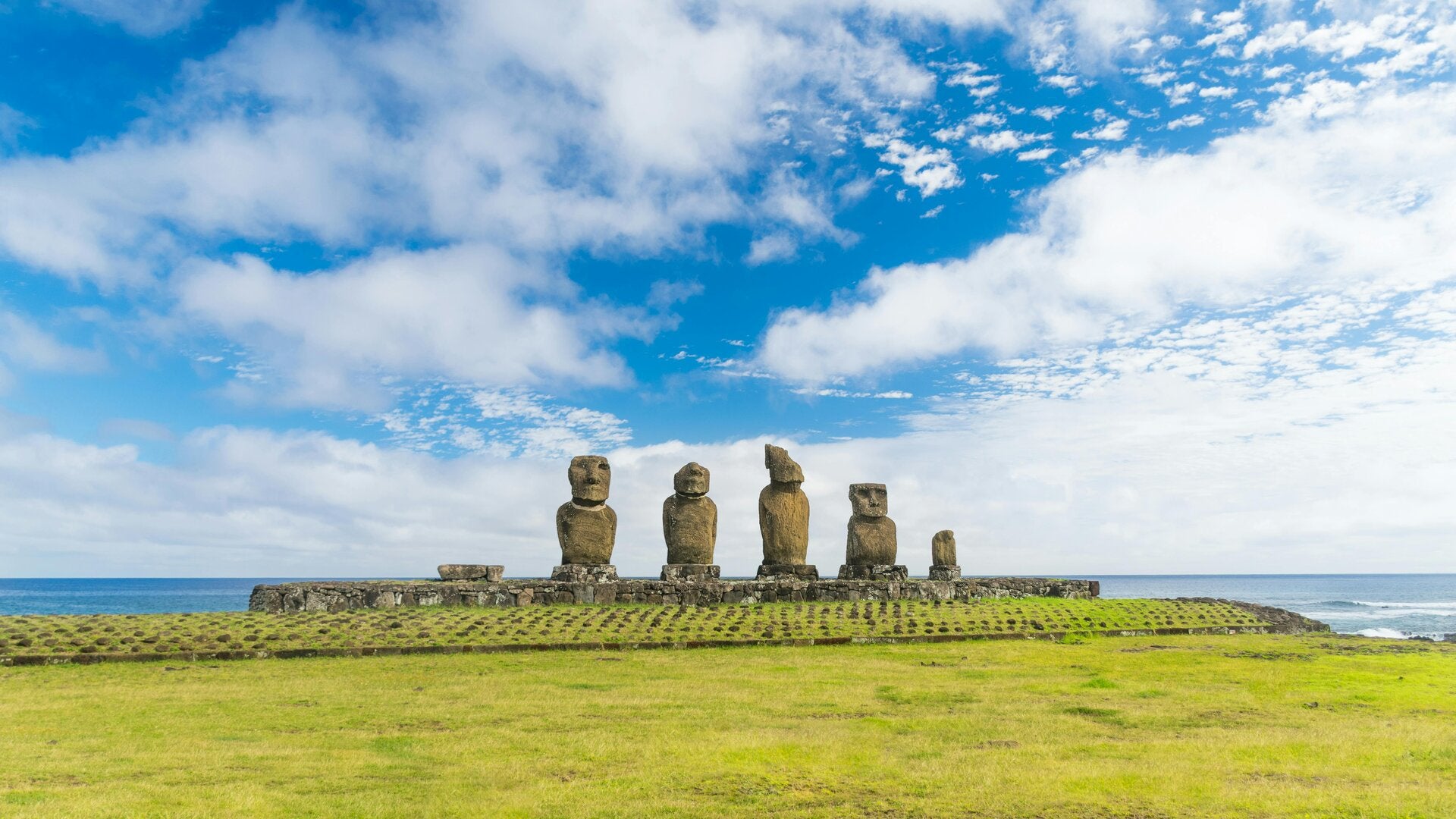
The Moai – The Iconic Symbols of Easter Island
The famous Moai statues are the most recognizable symbol of Easter Island.
More than 900 monumental stone statues were created by the ancient inhabitants of Rapa Nui.
Most Moai were carved between approximately the 11th and 17th centuries from volcanic tuff extracted from the Rano Raraku quarry.
Some statues reach more than 10 meters in height and weigh over 80 tons.
During a guided tour, I explain the different theories about:
- The creation of the Moai
- Their transportation across the island
- Their religious meaning
- Their importance for Rapa Nui society
Today, researchers generally believe that the Moai represented important ancestors who were believed to protect their communities.
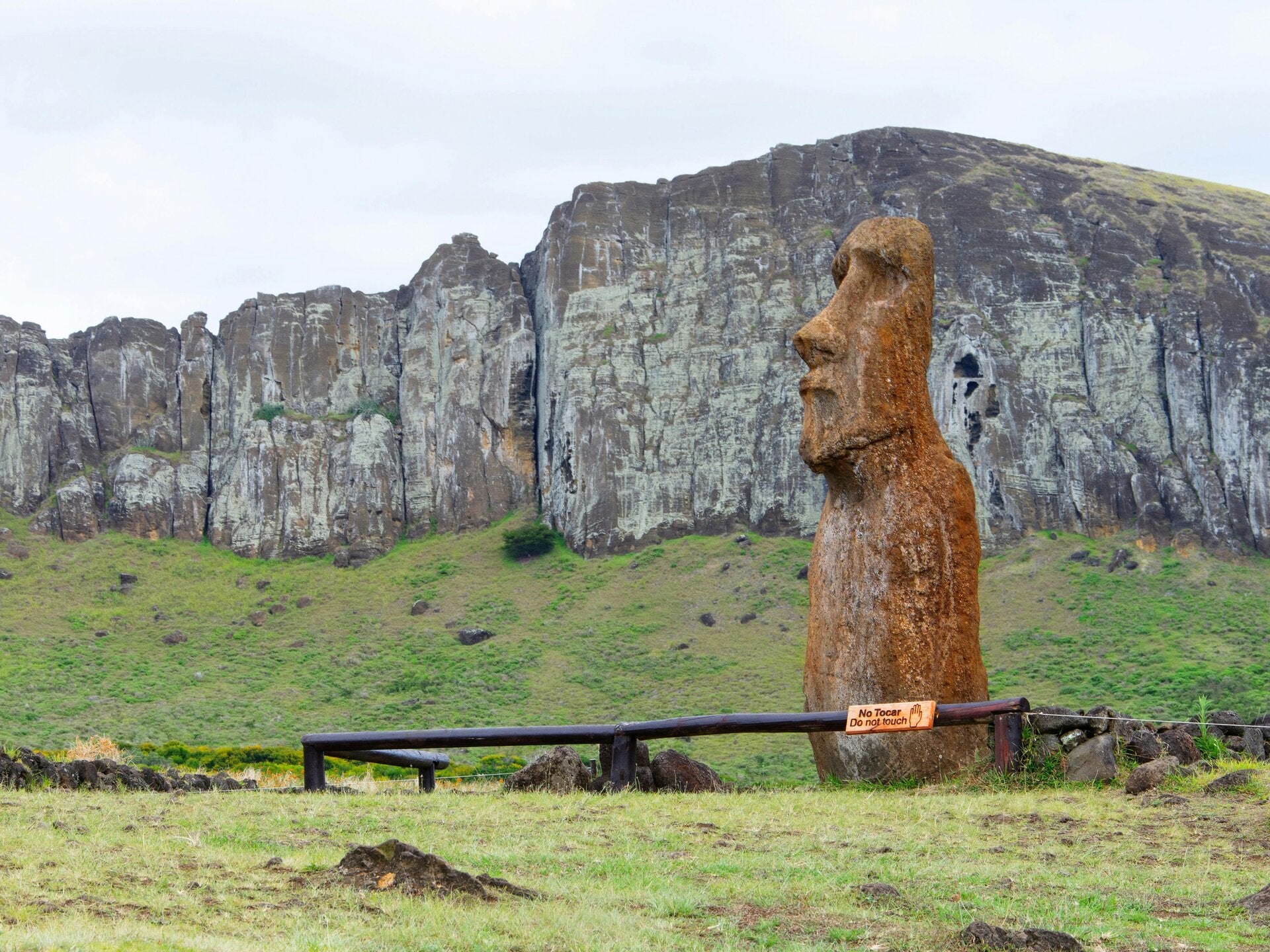
Rano Raraku – The Birthplace of the Moai
Rano Raraku is one of the most important archaeological sites on Easter Island.
This extinct volcanic crater served for centuries as the main quarry where the Moai were carved.
Hundreds of unfinished statues can still be found here, some partially buried in the volcanic slopes.
A visit to Rano Raraku provides a unique insight into:
- The craftsmanship of Rapa Nui sculptors
- Ancient stone-working techniques
- The different stages of statue production
The site is often described as the greatest open-air museum in Polynesia.
Ahu Tongariki – The Most Impressive Ceremonial Platform
Ahu Tongariki is the largest and most famous ceremonial platform on Easter Island.
The restored platform features 15 enormous Moai standing in a row, facing inland toward the island.
This impressive site demonstrates the importance of ancestor worship and the complex social organization of ancient Rapa Nui culture.
At sunrise, Ahu Tongariki becomes one of the most spectacular photographic locations on the island.
For many visitors, this is the unforgettable highlight of their Easter Island journey.
Anakena – The Beautiful Beach of Rapa Nui
Anakena Beach is one of the few sandy beaches on Easter Island and holds great importance in local traditions and legends.
According to Rapa Nui oral history, this is where the first Polynesian king, Hotu Matu'a, arrived after leaving his homeland and beginning the settlement of the island.
Today, Anakena combines:
- White sandy beaches
- Palm trees
- Archaeological monuments
- Restored Moai statues
It represents a unique connection between nature, culture, and history.
Orongo & The Birdman Cult
One of the most fascinating archaeological sites on Easter Island is Orongo.
This ceremonial village is located on the edge of the volcanic crater Rano Kau and was the center of the famous Birdman Cult.
After the decline of the traditional Moai-building era, a new religious system developed on the island.
Representatives of different clans competed in a dangerous challenge: they had to swim to the offshore islet of Motu Nuiand retrieve the first egg of the sooty tern.
The winner granted political and religious influence to his clan for the following year.
The Birdman Cult represents one of the most fascinating chapters in the history of Rapa Nui.
The Culture of the Rapa Nui People
Easter Island is not only famous for its archaeological treasures but also for its living culture.
The inhabitants of Rapa Nui continue to preserve their Polynesian traditions today.
The Rapa Nui language, traditional dances, music, carving, and handicrafts remain important parts of island identity.
During the annual Tapati Festival, local communities celebrate their heritage through competitions, performances, traditional sports, and cultural events.
The History of Easter Island
The first Polynesian settlers are believed to have arrived on Easter Island between approximately the 8th and 12th centuries.
Over many generations, a unique society developed, creating extraordinary artistic and architectural achievements.
Later, environmental changes, internal conflicts, and contact with European explorers caused profound transformations.
Diseases, slave raids, and social disruptions dramatically reduced the island's population.
Today, the Rapa Nui people continue important efforts to preserve and revitalize their cultural traditions.
The Volcanic Landscapes of Easter Island
Easter Island was created through volcanic activity and is dominated by three major volcanoes:
- Terevaka
- Poike
- Rano Kau
The volcanic origins of the island are visible everywhere and strongly influence its landscapes.
Hiking through the volcanic areas offers spectacular views of:
- The Pacific Ocean
- Ancient archaeological sites
- Volcanic craters
- Remote coastal landscapes
Why Explore Easter Island with an English-Speaking Tour Guide?
Easter Island is much more than a collection of impressive stone statues.
The true meaning of Rapa Nui can only be understood through its history, archaeology, traditions, and cultural background.
A German-speaking Easter Island Tour Guide offers many advantages:
Clear Explanations
Learn about archaeology, history, culture, and traditions in your native language.
Local Knowledge
Benefit from detailed background information, current insights, and extensive knowledge of Rapa Nui.
Personalized Service
Ask questions at any time and enjoy a flexible tour adapted to your interests.
Authentic Experiences
Discover the stories behind the Moai, ancient ceremonies, and the people of Rapa Nui.
Best Time to Visit Easter Island
Easter Island can be visited throughout the year.
Summer (December – March)
- Warmest temperatures
- Tapati Festival
- Vibrant cultural atmosphere
Spring & Autumn
- Pleasant climate
- Fewer visitors
- Excellent conditions for sightseeing and photography
Winter
- Mild temperatures
- Quieter island atmosphere
- Beautiful light for photography
Each season offers a unique perspective of Rapa Nui.
Experience Easter Island – Discover the Secrets of Rapa Nui
Easter Island is one of the most fascinating destinations in the world.
The monumental Moai statues, mysterious history, Polynesian culture, and spectacular volcanic landscapes make every visit an unforgettable experience.
As an experienced German-speaking Tour Guide on Easter Island, I accompany visitors through the island's most important archaeological sites and explain the history, traditions, and cultural heritage of Rapa Nui in an engaging and understandable way.
If you want to do more than simply see Easter Island—if you want to truly understand it—a personal guided experience connects archaeology, history, culture, and local stories.
Discover the secrets of Rapa Nui with a local expert and experience one of the world's most extraordinary cultural treasures in the Pacific Ocean.