

Patagonia Tour Guide – English-Speaking Guided Tours in Chilean & Argentine Patagonia
Discover Patagonia with an Experienced English-Speaking Tour Guide
Patagonia is one of the world's most spectacular travel destinations. Towering glaciers, snow-capped peaks, endless steppes, turquoise lakes, dramatic fjords, and extraordinary wildlife make southern Chile and Argentina a paradise for nature lovers, photographers, hikers, and adventure travelers.
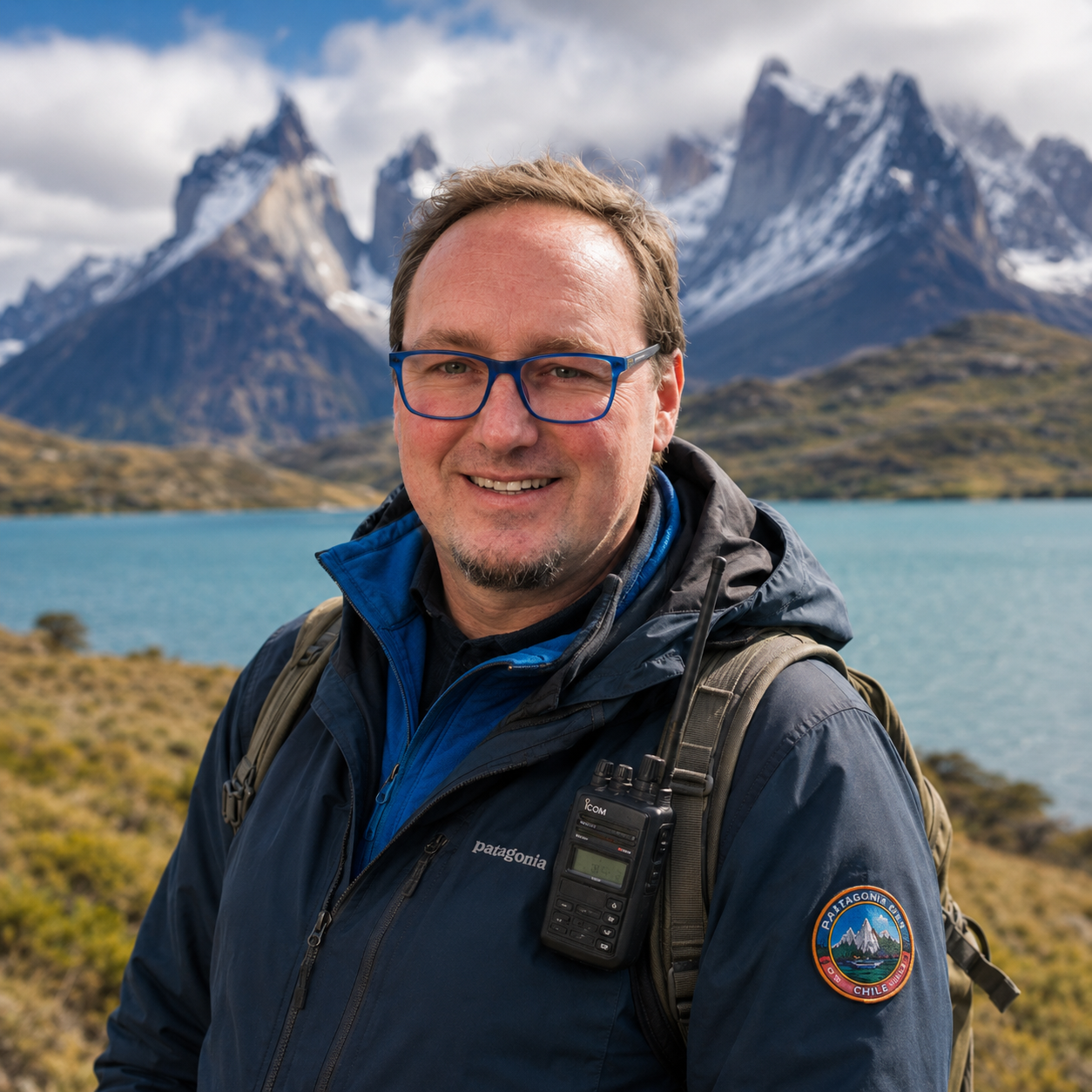
As an experienced English-speaking Tour Guide in Patagonia, I accompany visitors through this breathtaking region, sharing not only its stunning landscapes but also its fascinating history, culture, geology, and traditions.
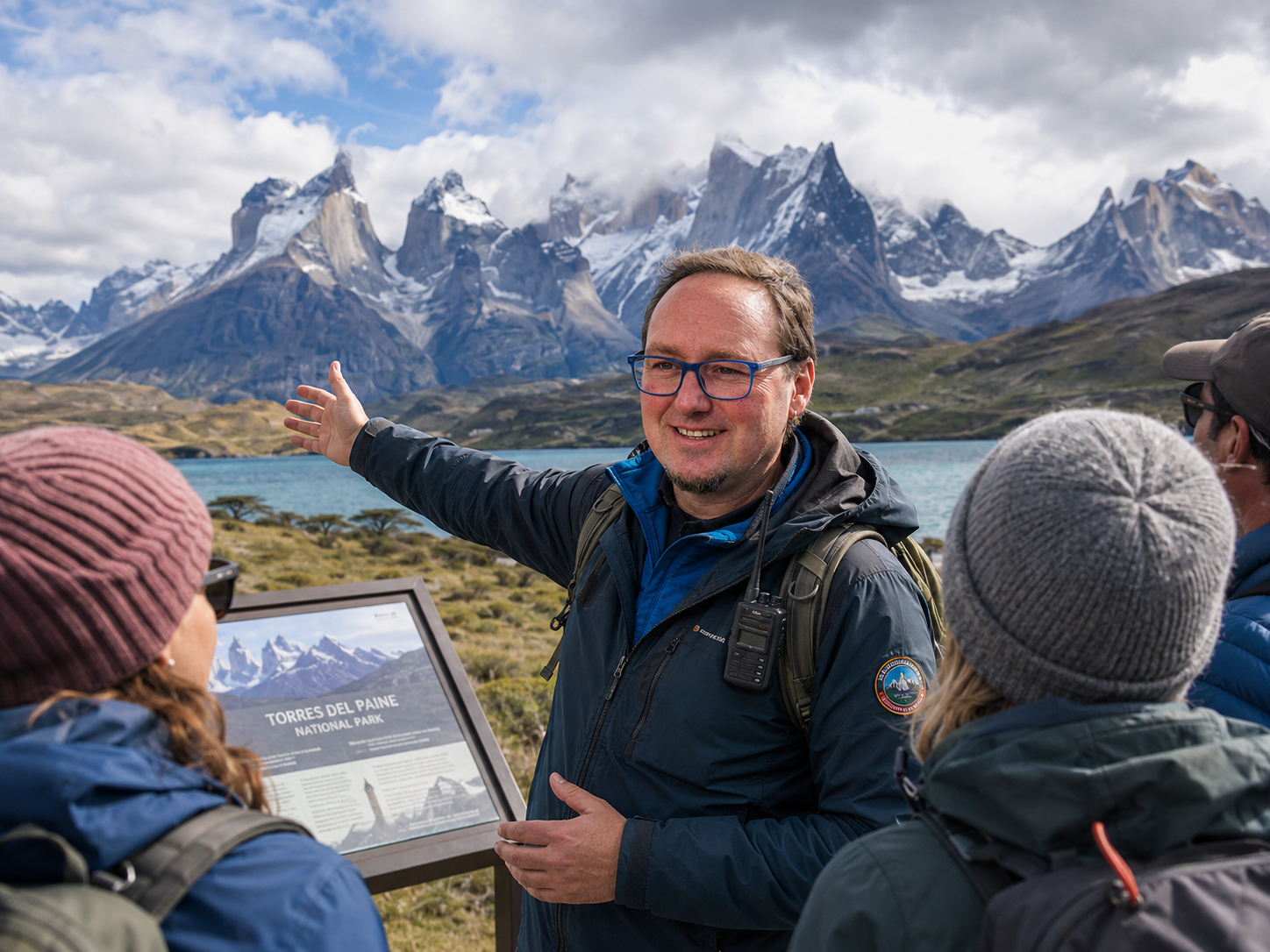
Traveling through Patagonia means exploring one of the last great wilderness areas on Earth. From Torres del Paine National Park and the fjords of southern Chile to the Perito Moreno Glacier, Tierra del Fuego, and the legendary Strait of Magellan, every destination tells its own story. With an experienced local guide, your journey becomes far more than sightseeing—it becomes an unforgettable cultural and natural experience.
.
What is Patagonia?
Patagonia occupies the southernmost part of South America and stretches across both Chile and Argentina. Generally considered to begin south of the Río Colorado, the region extends to the Strait of Magellan and Tierra del Fuego.
Patagonia is famous for its dramatic scenery, unpredictable weather, vast open spaces, and remarkably low population density. Often referred to as "The End of the World," Patagonia offers visitors a rare opportunity to experience some of the planet's last truly untouched landscapes.
Highlights of a Patagonia Tour
Torres del Paine National Park
One of South America's most famous national parks, Torres del Paine National Park is internationally renowned for its spectacular granite towers, crystal-clear lakes, glaciers, and diverse wildlife.
Highlights include:
- The iconic Torres del Paine
- Cuernos del Paine
- Grey Glacier
- Lake Pehoé
- French Valley
- Numerous world-class hiking trails
During our visit, I explain the geological formation of the park, its ecosystems, wildlife, and the history of the first explorers and settlers who shaped Patagonia.
Puerto Natales
Puerto Natales serves as the gateway to Torres del Paine National Park.
Situated on the Última Esperanza Fjord, this charming town has become one of Patagonia's most important tourism centers. Visitors learn about the early sheep ranches (estancias), the indigenous peoples of Patagonia, and the development of tourism in southern Chile.
Punta Arenas & the Strait of Magellan
Punta Arenas was once one of South America's most important ports before the opening of the Panama Canal.
A guided city tour reveals fascinating stories about:
- Ferdinand Magellan
- European immigration
- Croatian pioneers
- Gold prospectors
- Maritime history
- The economic development of Patagonia
The city's elegant architecture reflects its prosperous past during the golden age of maritime trade.
Tierra del Fuego
Located at the southern tip of South America, Tierra del Fuego captivates visitors with its rugged landscapes, powerful winds, pristine coastlines, and exceptional wildlife.
The region is also home to the cultural heritage of the Selk'nam (Ona) and Yámana (Yaghan) peoples, whose remarkable history forms an essential part of Patagonia's identity.
Patagonia's Extraordinary Wildlife
Patagonia offers outstanding wildlife viewing opportunities throughout the year.
Among the most iconic species are:
- Guanacos
- Lesser Rheas
- Andean Condors
- South American Foxes
- Pumas
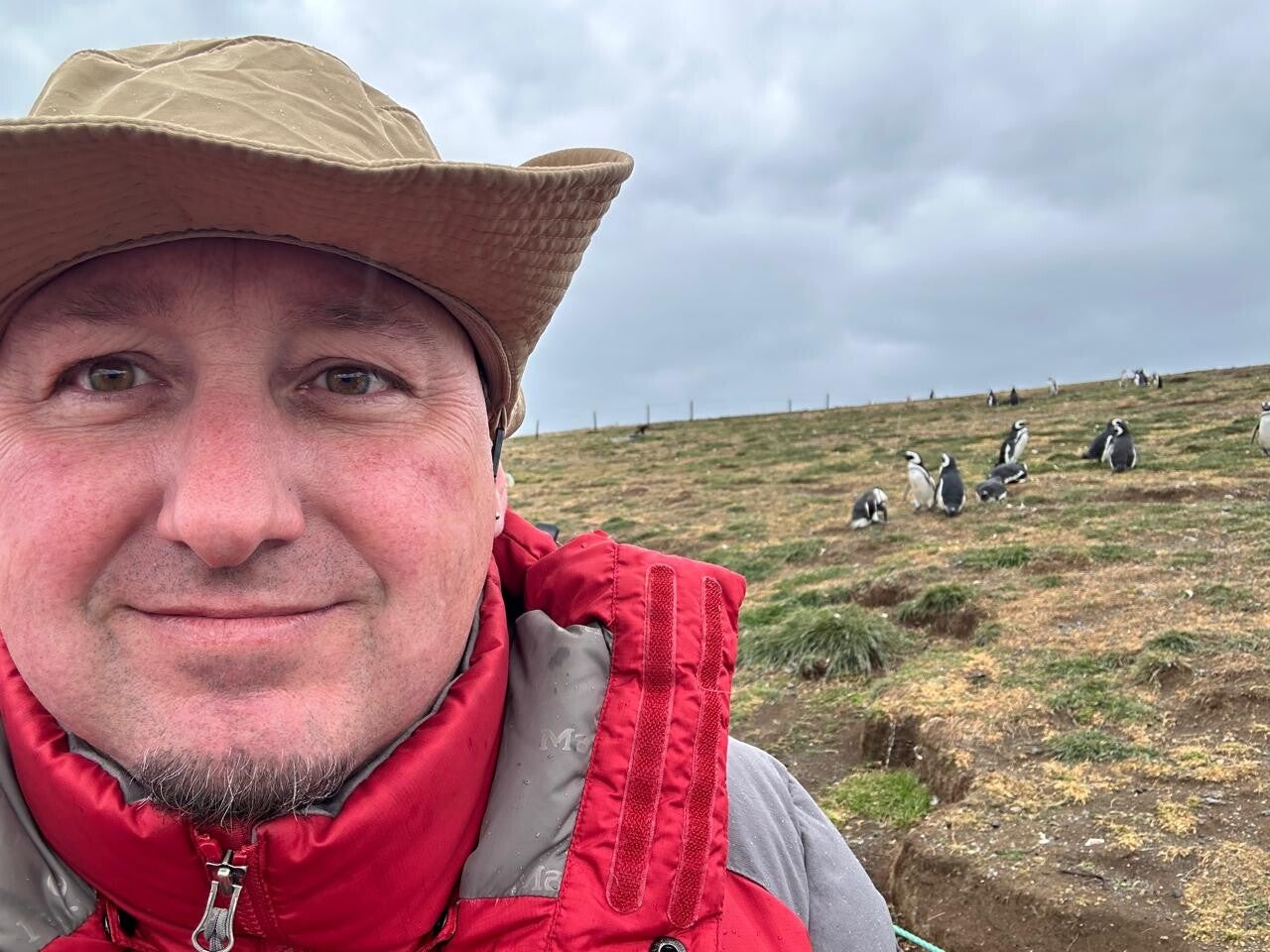
- Magellanic Penguins
- King Penguins in Tierra del Fuego
- South American Sea Lions
- Dolphins
- Southern Right Whales and Humpback Whales (seasonal)
With a bit of luck, visitors may even observe wild pumas in Torres del Paine National Park. As your guide, I help you observe wildlife respectfully while maintaining a safe distance and following responsible ecotourism practices.
The History of Patagonia
Patagonia has a rich and fascinating history.
Long before European explorers arrived, indigenous peoples such as the Tehuelche, Selk'nam, Kawésqar, and Yámanalived throughout the region for thousands of years.
In 1520, Portuguese navigator Ferdinand Magellan, sailing for the Spanish Crown, became the first European to navigate the strait that now bears his name—the Strait of Magellan.
During the nineteenth century, European immigrants, particularly Croatians, British settlers, Germans, and Chileans from Chiloé Island, helped shape modern Patagonia.
Large sheep ranches transformed the region economically and culturally, leaving a lasting legacy that remains visible today.

The Carretera Austral
One of Chile's most spectacular scenic routes is the legendary Carretera Austral.
Stretching through remote forests, mountains, rivers, glaciers, and national parks, this iconic highway offers unforgettable opportunities for nature lovers, photographers, and adventure travelers. It is an essential destination for anyone wishing to experience Chilean Patagonia beyond the traditional tourist routes.
Why Travel with an English-Speaking Tour Guide in Patagonia?
Patagonia is far more than breathtaking scenery.
Many of its landscapes only reveal their true significance when their geological history, indigenous heritage, and cultural background are explained by someone with extensive local knowledge.
Traveling with an English-speaking Tour Guide in Patagonia offers many advantages.
Clear and Informative Explanations
Learn about Patagonia's history, geology, flora, fauna, glaciers, and indigenous cultures in your native language.
Local Expertise
Benefit from insider knowledge, hidden viewpoints, practical travel advice, and years of personal experience.
Authentic Cultural Experiences
Meet local people and gain genuine insights into daily life in southern Chile and Argentina.
Personal Service
Ask questions whenever you wish and enjoy a flexible, relaxed, and highly personalized travel experience.
Best Time to Visit Patagonia
The main travel season runs from October to April.
Spring (October – November)
- Wildflowers begin to bloom
- Fewer visitors
- Excellent hiking conditions
- Active wildlife
Summer (December – February)
- Long daylight hours
- Pleasant temperatures
- Ideal trekking conditions
- Peak travel season
Autumn (March – April)
- Spectacular autumn colors
- Fewer tourists
- Outstanding photography opportunities
- Peaceful atmosphere
Patagonia can also be visited outside the main season, although weather conditions and tourism infrastructure may be more limited.
Experience Patagonia – Nature, Culture & Adventure
Patagonia is one of South America's most extraordinary destinations.
Whether you dream of hiking in Torres del Paine National Park, exploring the Strait of Magellan, discovering Tierra del Fuego, observing wildlife, or learning about Patagonia's indigenous cultures and pioneering history, every journey reveals something unique.
As an experienced English-speaking Tour Guide in Patagonia, I am passionate about sharing the landscapes, wildlife, history, and traditions of this remarkable region.
If you want to do more than simply visit Patagonia—if you want to truly understand it—professional guided travel offers an experience that combines breathtaking nature, fascinating history, and authentic cultural encounters.
Discover Patagonia with a local expert and experience one of the last great wilderness regions on Earth.